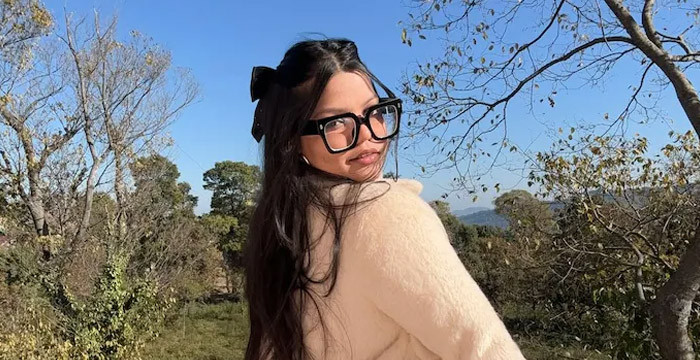
In the vast digital landscape, a corner of the web called the Social Media Girls Forum has caught attention and controversy. At first glance, it sounds like a community for women and content creators. But dig a little deeper, and the reality becomes a mix of online culture, digital rights questions, and ethical tensions that every creator should understand.

What Is the Social Media Girls Forum Really?
Put simply, the Social Media Girls Forum refers to a class of online discussion platforms or forums that revolve around conversations about female content creators, often involving images, social profiles, and discussions about influencers, trends, and public personas. Some versions claim to be spaces for connection and support, while others have developed reputations for sharing content in ways that raise eyebrows about privacy and consent.
These forums list threads about specific creators, frequently organizing discussions by categories such as Instagram stars, TikTok influencers, or other social personas. But not all content is positive, some threads repost images or speculate on private content without creators’ consent.
How These Forums Are Structured Online
The way these forums are set up affects both their culture and their impact:
- Thread-based discussions: Pages are often organized around a username or public persona.
- User-submitted content: Members may share screenshots, links, or sometimes leaked material.
- Anonymous browsing: Many forums allow users to read or post without any sign-in, which can encourage candid or harmful behavior.
- Low moderation: Some forums have weak or nonexistent moderation, making harmful content hard to control.
While some forums focus purely on discussion and support, others have become notorious for hosting explicit or exploitative discussions.
Is It Legal? The Blurry Line Between Public and Private
There’s a major nuance here: just because something is online doesn’t mean it can be republished or shared without consequences. Here’s how the legal landscape typically breaks down:

What’s Generally Allowed
- Sharing what is already public, like public posts on Instagram or TikTok, may fall under user freedoms.
- Commentary or discussion about public content can be protected by free speech rules.
What’s Risky or Illegal
- Reposting paid, private, or hacked content, such as subscription platform material, may violate copyright laws.
- Sharing personal identifying details (do-xing) can break privacy protections.
- Leaks or distribution of paid content often violates terms of service and civil law.
Legal protections like Section 230 in the United States can shield platforms from some liability, but creators still retain rights under DMCA and privacy laws.
Who Gets Targeted on Social Media Girls Forums (Evidence-based Breakdown)

1. Female Content Creators & Influencers
A major pattern observed across reporting and analysis is that young women who create content online are the primary individuals targeted on these forums. This includes:
- Instagram influencers and visual content creators
- TikTok creators with public videos
- YouTubers and live streamers
- Women who post lifestyle, fashion, travel, fitness, or beauty content
- Subscription content producers (such as OnlyFans or similar paid platforms)
These women often have visual content that forum users can screenshot or repost, which becomes the basis for threads or commentary.
Because these forums are image-centric and thread-organized, a creator’s handle, photos, and sometimes even private details can be posted and discussed without any consent or control from the original creator.
2. Women With Public or Semi-Public Profiles
It’s not only established influencers who appear ordinary women with public profiles can also be targeted:
- Individuals with public Instagram, TikTok, or Snapchat profiles
- People whose images or handles have been shared in public posts or stories
- Users who go viral, even temporarily
Because the forum content often comes from publicly accessible posts, even modestly known individuals have been featured without their knowledge.
This reflects a broader trend where visibility, not fame, is enough to make someone a target.
3. Subscription Content Creators & Paid Platforms
- Many of the riskiest cases involve paid or membership-only content:
- Forum users sometimes request or redistribute leaked images from OnlyFans, Patreon, Fansly, etc.
- Paid content originally behind a paywall is shown or indexed without permission
- This raises both ethical and legal concerns, as paid content is specifically not meant to be public.
4. Non-Public Individuals Known Personally to Users
In some cases, targets are not public creators at all, but people recognized personally by users, such as:
- College students whose social media content was public
- Women from specific geographic communities
- People who attended visible events or posted photos online
This often happens when a user posts a recognizable photo in a thread, leading to community discussion or reposts.
Why These Groups Are Targeted

The people featured on these forums tend to share certain characteristics that make them more visible or vulnerable online:
📌 Visual Content
Platforms like Instagram, TikTok, and subscription sites are image-driven, which makes them easy to screenshot, archive, and repost on other sites.
📌 Public Accessibility
Profiles that are public or semi-public (even if not “famous”) are much more likely to be republished on external forums.
📌 Interest and Curiosity
Users of these forums are often there for gossip, image collection, or voyeuristic reasons, driving them to search for and share content related to specific personalities.
Who’s Behind These Forums, And Who Gets Mentioned?
There’s no official headquarters or verifiable public owner for many of these forums. Some operate under anonymized domain registrations and offshore hosting, with no clear corporate identity.
But the people talked about inside them are real:
- Female influencers from Instagram, TikTok, or YouTube
- Subscription creators on platforms like OnlyFans or Fansly
- Cosplayers, streamers, or personality-based creators
- Even private individuals with public usernames sometimes do so without their consent
This is where things can cross from harmless discussion into real-world harm.
The Risks: Harassment, Doxxing & Reputation Damage
Being mentioned or featured in these forums can lead to serious consequences:
Privacy Invasion
Threads listing full names, handles, locations, or workplaces expose personal data to strangers.
Harassment and Unwanted Contact
Creators may receive threatening messages or unwanted attention from strangers.
Image Theft and Impersonation
Photos lifted from platforms can be reused on fake accounts, scams, or gossip pages.
Mental Stress and Digital Safety
Losing control over your own image online can lead to anxiety, stigma, or lasting digital footprints even if you try to remove them later.
What Creators Can Do to Guard Their Digital Presence
If you’re a content creator, influencer, or female creator worried about being featured on these forums:
Monitor Your Online Footprint
Use tools like reverse image search (Google Images or TinEye) to see where your photos appear.
File Copyright or Privacy Takedowns
If content is redistributed without permission, you can submit DMCA takedown requests to hosting providers.
Improve Privacy Settings
Consider limiting public access to personal feeds and removing location data from posts.
Lean on Support Networks
Organizations like the Electronic Frontier Foundation (EFF) provide guidance on digital rights, privacy, and online safety.
Safer and Ethical Alternatives for Community and Support
There are many ways to connect with creator communities without risk:
| Platform Type | How It Helps | Why It’s Safer |
|---|---|---|
| Reddit Women & Creator Groups | Open discussion & networking | Moderation and clear policies |
| Official Fan Pages (IG/TikTok) | Updates from creators themselves | Content controlled by owners |
| Verified Community Forums | Strategy and growth discussion | Respectful, consent-based |
| Subscription Platforms (OnlyFans/Fansly) | Paid exclusive content | Creators retain control |
Final Take, More Than Just “A Forum”
The Social Media Girls Forum has become a symbol of broader challenges in digital culture:
- What happens when public content is treated as free for anyone to redistribute?
- How can creators protect themselves against harassment and privacy violations?
- Where should we draw boundaries between fandom, commentary, and exploitation?
These aren’t simple questions, and they matter not just for influencers, but for everyone building a digital identity today.
Post Comment
Be the first to post comment!