A First Look at the Site

When you first visit TheTechnoTrick.com, it looks like a lively general tech blog. The homepage moves fast, the categories are broad, and the content list feels endless. Topics range from AI tools and voice cloning to Instagram growth, digital marketing tips, and simple how-to fixes.
It feels active and current, especially with timestamps that suggest fresh updates. At a glance, it could pass for a regular tech site catering to general readers. But as you explore the layers beneath that surface, the structure begins to tell a more complicated story.
What TheTechnoTrick.com Claims to Be
The site presents itself as an accessible publication for readers who want everyday tech advice. Its menu includes categories such as Tech, Business, Earn Money, Social Media Tricks, and Artificial Intelligence.
Most of the content is written by a single recurring author named Hamna, with a concentration of new posts appearing around early 2025. The writing style is simple and direct, focusing on basic guides and quick introductions rather than deep analysis.
In practice, this makes TheTechnoTrick.com easy to read but not particularly informative. Many guides teach beginners how to use common apps, fix small performance issues, or explore broad trends without citing sources.
This is not inherently bad; for casual users, the site functions as a quick-help resource. The problem is that the site’s transparency and purpose are unclear. You can read dozens of articles without learning who runs the site, where it is based, or whether it has any editorial oversight.
What the Site Doesn’t Tell You
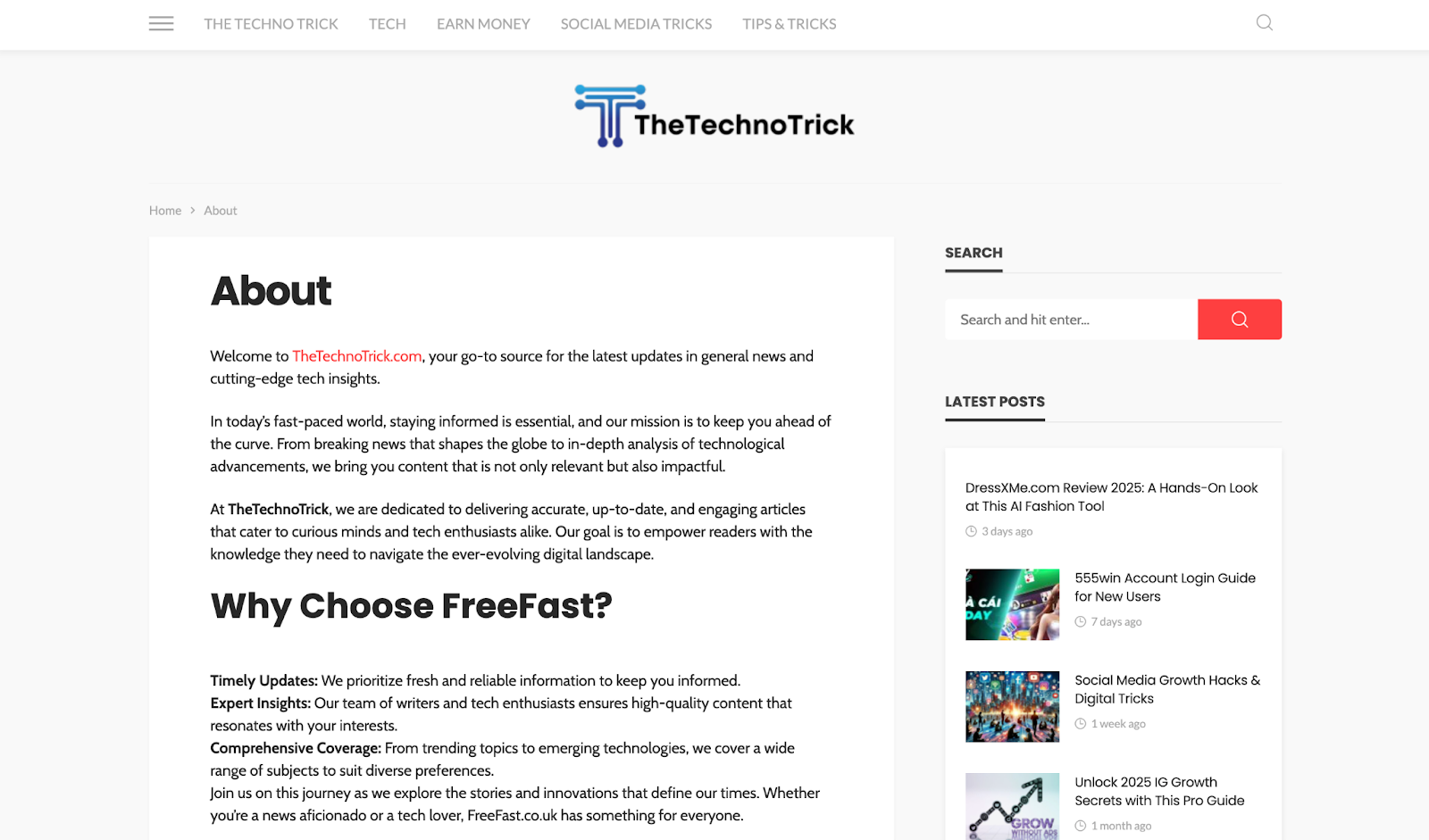
Transparency is the main missing piece. The About page offers a few lines of vague language about innovation and technology news, but no names, credentials, or ownership information. The contact page uses a generic Gmail address, not an official business domain.
These details might sound minor, but they matter in tech publishing. Reliable outlets list editors, contributors, and a clear editorial mission. TheTechnoTrick.com lists none.
The domain’s background raises more questions. Public archive data shows traces of older versions of the site that predate the current layout, yet no legacy content remains online. This suggests that the domain has changed ownership or been repurposed.
Adding to the pattern is the existence of lookalike websites — for example, TheTechnoTricks.com and TheTechnoTrickCom.com. They use similar templates and publish similar material, hinting at a network of mass-produced blogs rather than a standalone publication.
What the Content Offers in Reality
Ignoring the structural gaps, the site covers popular search-driven themes:
● Basic troubleshooting and software setup guides
● AI commentary without citation
● Simplified explanations of online earning tools
● Social media tips written for engagement-driven audiences
This kind of content attracts casual readers and is sometimes useful for quick answers. But when the same platform also writes about investment, AI ethics, or business strategy without evidence or sourcing, it crosses into territory where accuracy and accountability matter.
TheTechnotrick.com never crosses into clear disinformation, but its material lacks editorial discipline. Articles are too general to verify and too superficial to rely on.
Comparing TheTechnoTrick.com to Established Alternatives
To understand where this site stands, it helps to measure it against legitimate publications that cover similar topics but operate with higher standards.
| Website | Editorial Transparency | Depth of Reporting | Trust Level | Primary Focus |
| TheTechnoTrick.com | Low (no listed editors, vague ownership) | Surface-level guides, mostly unsourced | Moderate to low | General tech, digital life |
| TechCrunch | High (public team and corporate ownership) | Strong focus on startups, verified funding data | High | Startups, innovation, tech business |
| The Verge | High | Deep coverage of technology and culture | High | Consumer tech, culture, trends |
| CNET | High | Tested product reviews, evidence-based comparisons | High | Hardware, software, buying guides |
| Wired | High | Long-form analysis, science, and ethics | High | Technology, AI, and culture |
| Gizmodo | Medium | Accessible, consistent tone with editorial structure | Medium to high | General tech, internet culture |
| Android Authority | High | Specialized expertise, consistent staff | High | Mobile tech, Android, software updates |
In this lineup, TheTechnoTrick.com feels more like an entry-level content hub than a media outlet. Its purpose appears to be generating quick traffic through broad, search-optimized topics rather than building authority or originality.
Strengths and Weaknesses
Strengths
● Consistent posting frequency keeps the site active.
● Writing is clear enough for beginners to understand.
● Wide topic variety gives readers many entry points.
Weaknesses
● No editorial identity or team disclosure.
● Overlap with other low-effort tech domains suggests replication.
● Articles rarely cite sources or provide proof of expertise.
● Financial and AI topics are treated too casually for accuracy.
● Readers may confuse accessible tone with credibility.
Rating Table: TheTechnoTrick.com Evaluation
| Category | Score (Out of 10) | Justification |
| Transparency | 3 | No author bios or company background available. |
| Content Quality | 5 | Basic tutorials are readable but lack depth. |
| Editorial Integrity | 4 | Repetitive structure and SEO cues dominate. |
| Research and Sourcing | 2 | No citations or technical verification. |
| Reader Value | 6 | Useful for beginners needing quick help. |
| Trustworthiness | 4 | Domain appears legitimate but lacks credibility. |
| Overall Score | 4 / 10 | Informational, not authoritative. |
Reader Guidance: When to Use It and When to Walk Away
Readers who come across TheTechnoTrick.com can treat it as a quick, surface-level resource for simple problems. The site works best when used for lightweight tasks such as fixing common phone issues, understanding app settings, or getting an initial sense of what’s trending in technology. The short, straightforward guides can be convenient when you need a fast answer without digging too deeply.
However, its usefulness ends where accuracy and expertise begin to matter. The site should not be relied upon for cybersecurity advice, privacy recommendations, financial insights, or anything that involves data-driven analysis. Its lack of cited sources and editorial structure makes it unsuitable for topics that require precision.

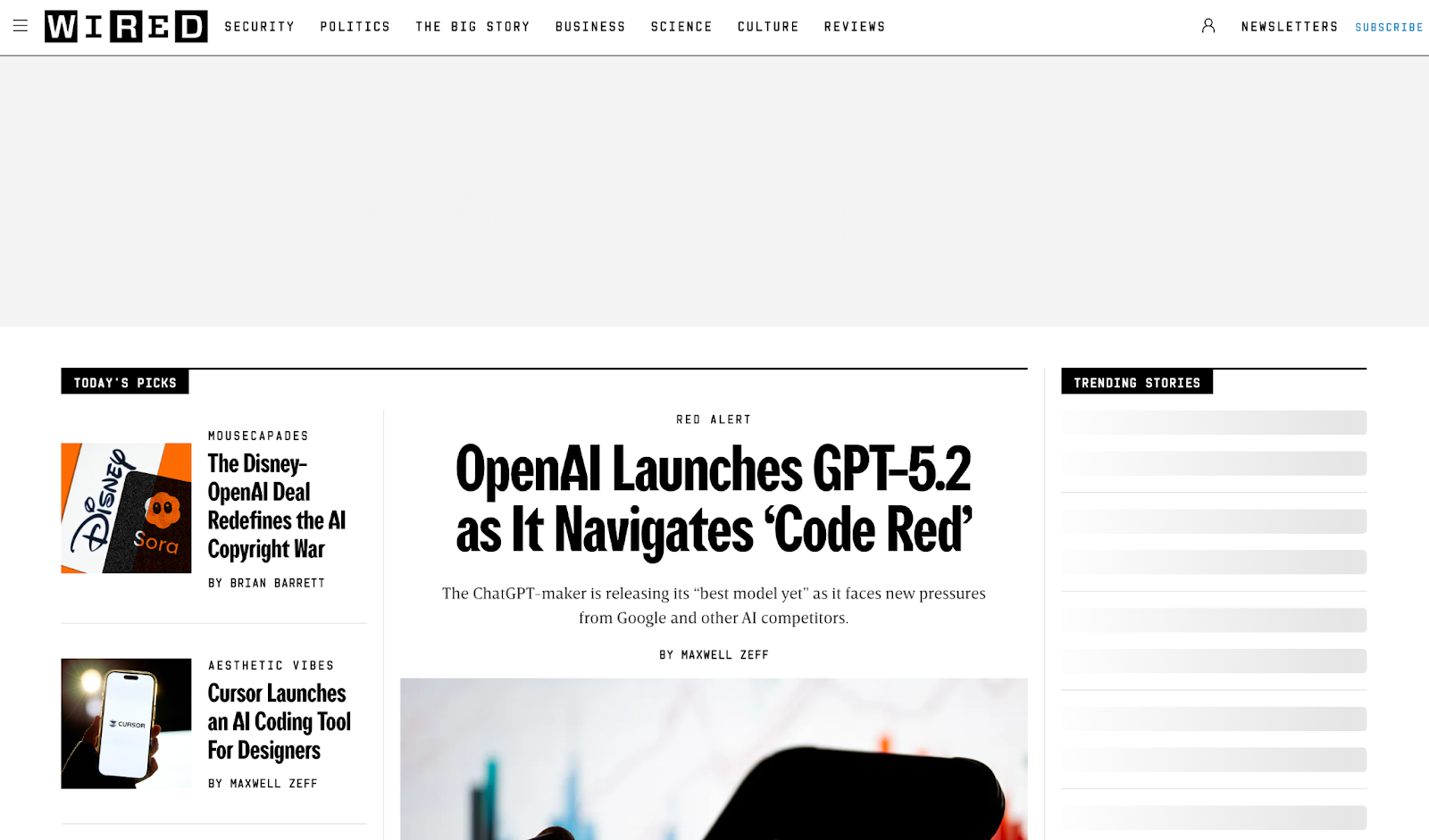
In practical terms, readers can use TheTechnoTrick.com as a starting point, but they should always verify the same information on established outlets such as CNET, Wired, or The Verge. Those platforms apply expert review and editorial oversight, providing the accuracy that TheTechnoTrick.com currently lacks.
Conclusion: What TheTechnoTrick.com Really Represents
TheTechnoTrick.com functions less as a true publication and more as a content platform built for search algorithms. It fills space with accessible material but leaves key questions unanswered about who writes, edits, or verifies the content.
It is not a scam and not malicious, but it lacks the reliability that readers expect from real tech journalism.
For beginners, it can serve as a convenient first stop. For serious readers who need dependable insights, the site quickly reaches its limits. The absence of transparency, expert voices, and methodological rigor keeps it from being trustworthy.
Final Verdict: 4 out of 10.
Readable but shallow. Real site, real content, minimal authority.
Readers deserve tech coverage that values accuracy as much as accessibility. TheTechnoTrick.com currently offers only the latter.
Post Comment
Be the first to post comment!