Executive Summary
Websites promising free online tools often position themselves as productivity accelerators for developers, marketers, and content creators. Techy Hit Tools claims to be one such platform, advertising a broad collection of digital utilities ranging from plagiarism checkers to image converters. A closer investigation, however, reveals a very different reality.
Based on direct testing, none of the advertised tools function as described. Combined with generic content, aggressive keyword targeting, gambling affiliate links, and the absence of verifiable ownership or editorial standards, the site exhibits the hallmarks of a scam-adjacent SEO farm. This article presents a detailed examination of Techy Hit Tools, focusing on structure, content, monetization, and user risk.
1. Introduction: The Promise vs. the Reality
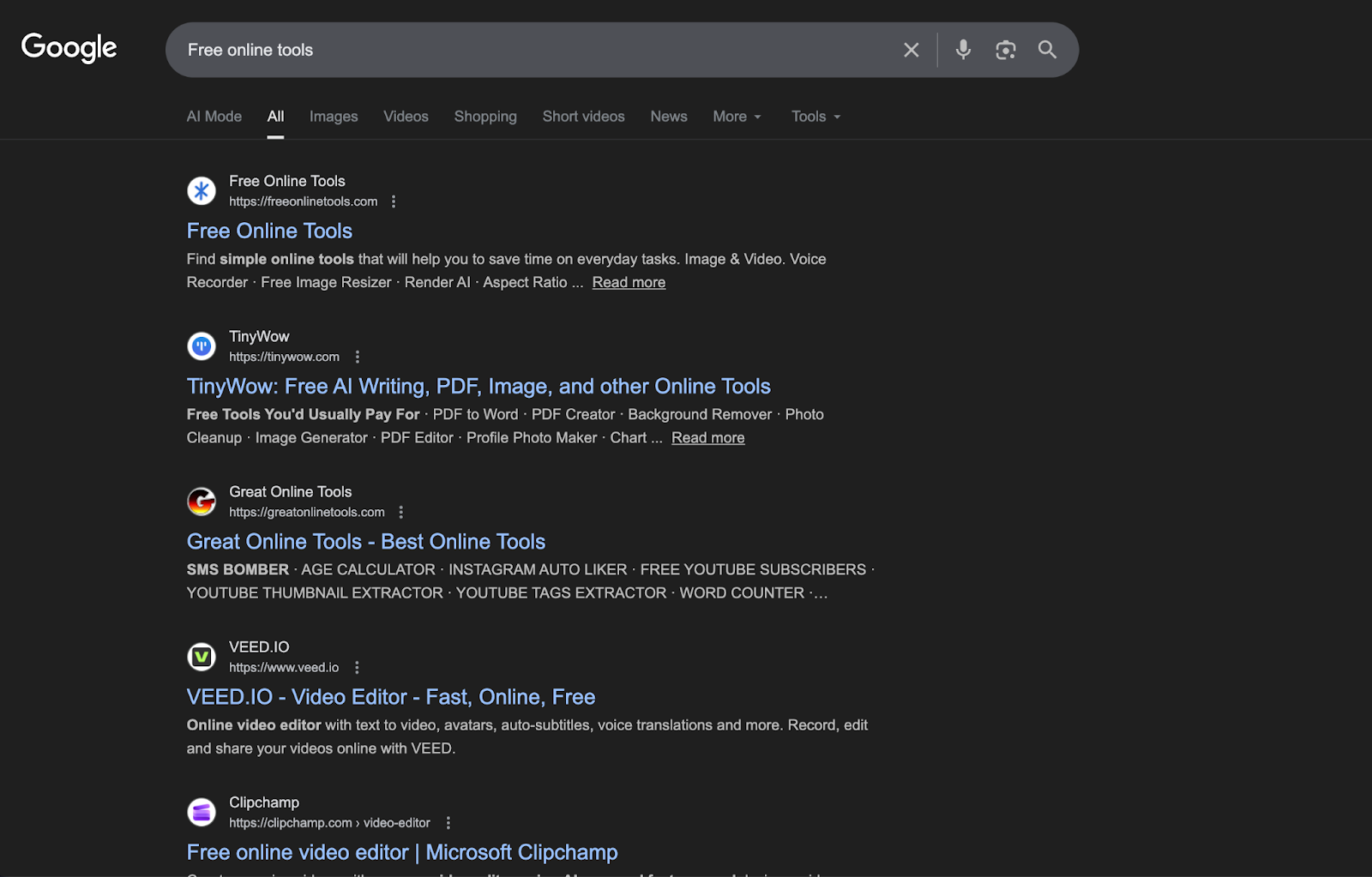
Free online tools occupy a legitimate and valuable space on the web. Established platforms demonstrate their utility through working interfaces, documentation, and transparent ownership. Techy Hit Tools positions itself within this category, presenting a long list of utilities supposedly designed to support SEO professionals, web developers, and digital marketers.
In practice, the promise collapses quickly. Despite listing numerous tools, hands-on testing confirms that these tools do not produce functional outputs. Pages either loop users through static forms, display placeholder elements, or fail to execute any real processing. The site presents the appearance of a tools platform without delivering the functionality that defines one.
This gap between presentation and reality is not incidental. It is structural.
2. Website Structure and User Experience Analysis
2.1 Site Architecture and Navigation
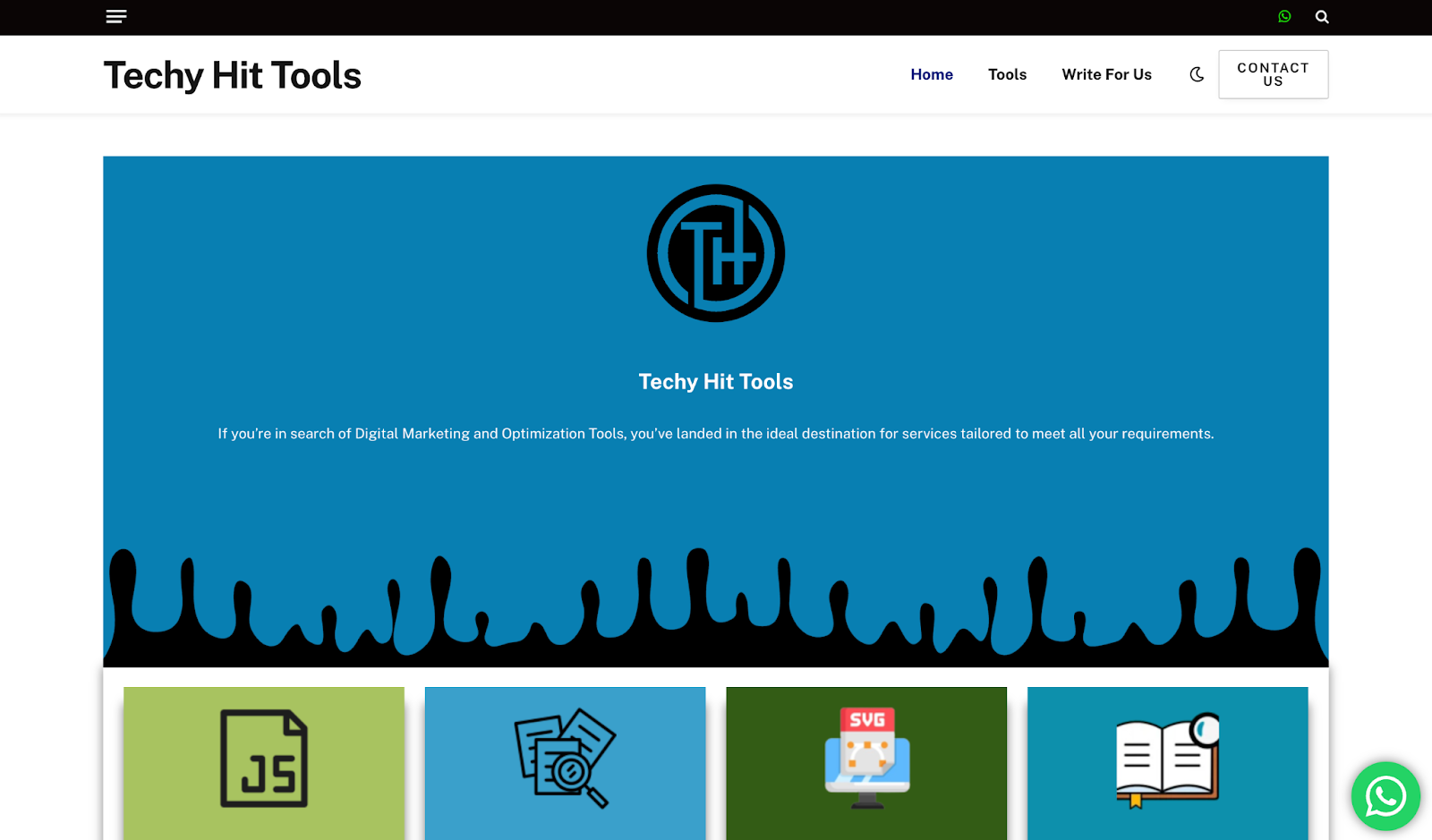
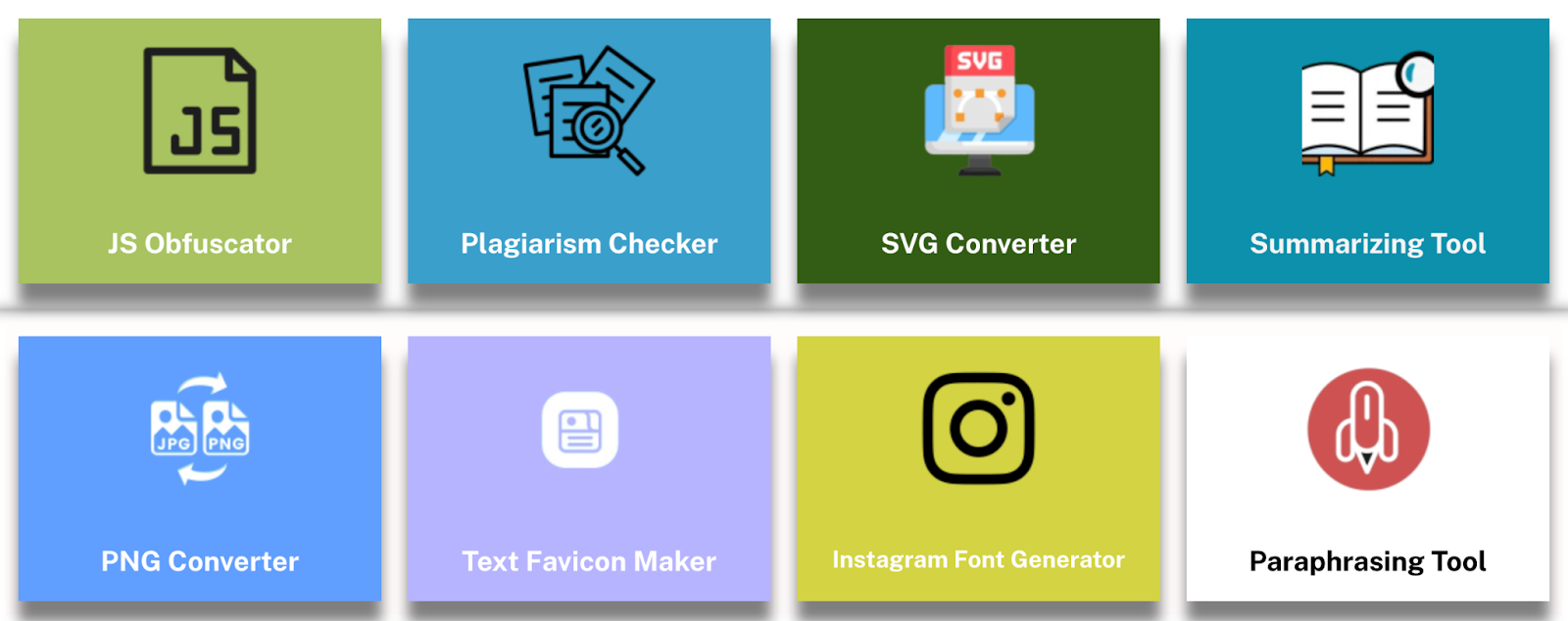
The site follows a simple navigation pattern typical of conversion-oriented landing pages. Menu items such as “Tools,” “Write For Us,” and “Contact Us” suggest a functional ecosystem. Clicking into the tools section, however, reveals a catalog of names without working implementations.
Each tool page exists primarily as text. There are no verifiable processing engines, no output previews, and no evidence of server-side execution. This is consistent across the site and was confirmed through direct use attempts.
2.2 Content Layout and Presentation
The homepage and internal pages rely heavily on repetitive, keyword-dense descriptions. Sections titled “About Techy Hit Tools” and “ABOUT US” repeat nearly identical language, indicating template reuse rather than deliberate editorial construction.
Visual inconsistencies such as stray icons, encoding errors, and mismatched typography further suggest minimal quality control. These are not cosmetic flaws alone. They reflect the absence of a real product behind the interface.
2.3 Footer and Ancillary Links
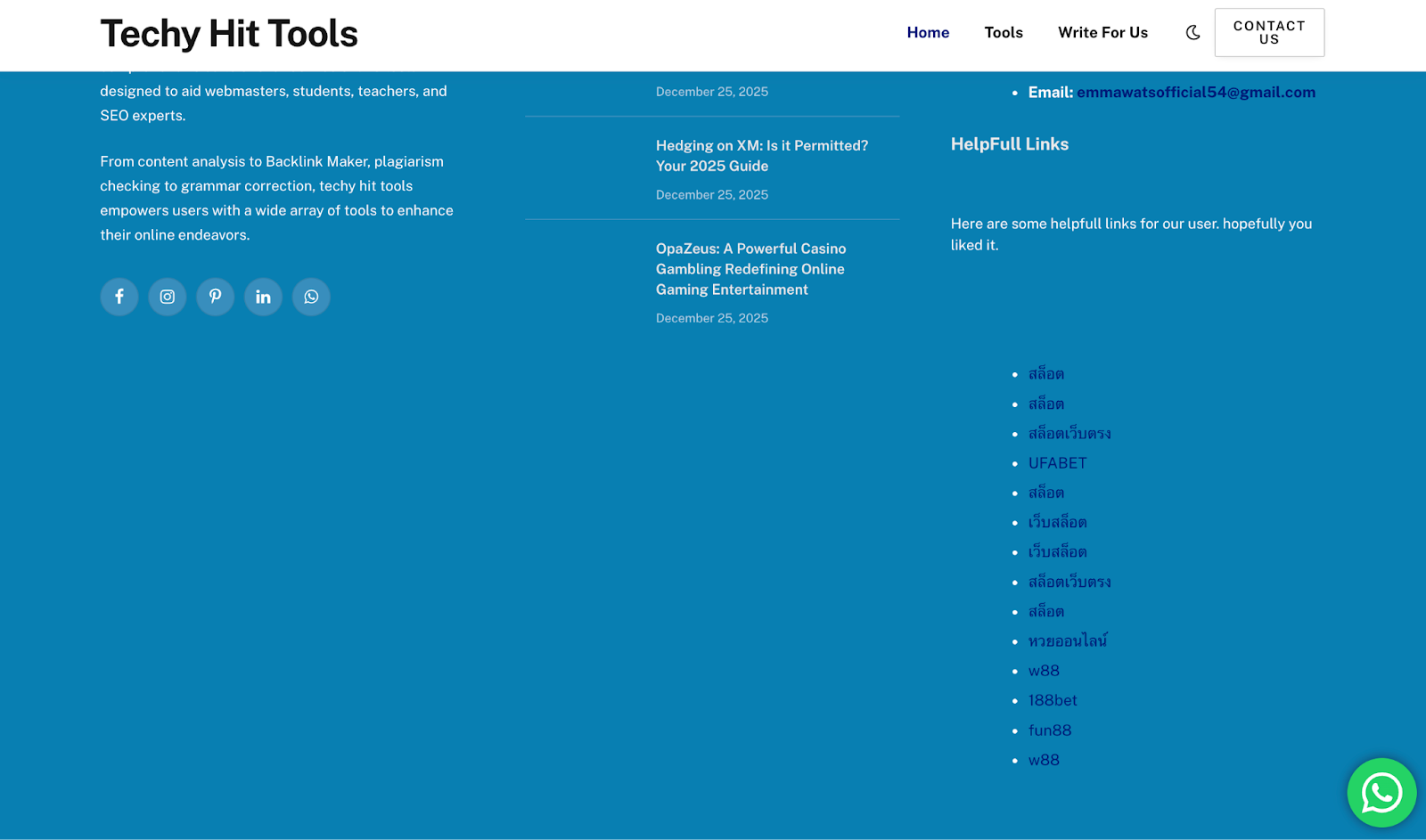
The footer contains a section labeled “HelpFull Links,” populated largely with gambling and betting keywords unrelated to digital utilities. These links appear alongside fragments of foreign-language text and brand names associated with online casinos.
This is a critical signal. Legitimate tool platforms do not embed gambling affiliate pathways in their global navigation. Their presence here exposes the site’s underlying monetization intent.
3. Content Quality and Editorial Assessment

3.1 Thematic Inconsistencies
Although the site claims to focus on digital tools, SEO, and productivity, its content inventory tells a different story. Articles and pages cover unrelated topics including casino gambling guides, forex broker discussions, and generic finance posts.
This lack of thematic discipline prevents the site from establishing authority in any single domain. More importantly, it suggests that content exists to capture search queries rather than to serve a defined audience.
3.2 Writing Style and Credibility
The writing throughout the site is promotional and vague. It avoids technical specificity and relies on generalized claims about usefulness and innovation. There are no named authors, no credentials, and no citations.
Contact information consists of a free Gmail address and a personal phone number. No company registration details or editorial standards are disclosed. Together, these omissions significantly weaken trust.
3.3 Article Examples and Relevance
Pages such as gambling platform reviews and broker explainers have no logical connection to digital tools. Their inclusion reinforces the conclusion that the site operates as a content aggregation layer, not a coherent publication or service.
4. SEO and Technical Analysis
4.1 Keyword Targeting and On-Page Strategy
The site makes aggressive use of keyword repetition, particularly around tool names and SEO phrases. Pages appear optimized primarily for indexing rather than usability.
This strategy may generate impressions but does not support long-term visibility. Search engines increasingly penalize sites that offer pages without functional or informational value.
4.2 Technical Quality and Maintenance
Multiple indicators point to poor maintenance. Duplicate sections, encoding issues, and missing structured data suggest minimal investment beyond initial deployment. There is no evidence of schema markup for tools, articles, or organization details.
4.3 Domain Repurposing Signals
The mismatch between site purpose, footer content, and monetization links strongly suggests that the domain or template has been repurposed. While confirmation would require archival analysis, the observable signals align with common patterns of SEO domain recycling.
5. Monetization Strategy and Intent
5.1 Gambling Affiliate Integration
The most prominent monetization signal is the presence of gambling affiliate keywords embedded site-wide. These links are not contextual, labeled, or disclosed.
This approach prioritizes affiliate traffic extraction over user trust. It also introduces regulatory and ethical concerns, particularly when mixed with unrelated tool branding.
5.2 Contact Information and Professional Standards
The use of generic contact details undermines any claim of legitimacy. Established service providers use domain-based email addresses, publish business identifiers, and provide accountable support channels. None of these are present here.
6. Security and User Risk Assessment
6.1 Non-Functional Tools as a Risk Vector
The confirmed non-functionality of the tools creates user risk even without overt malicious behavior. Users may waste time, submit data under false expectations, or be redirected toward unrelated monetization funnels.
6.2 Privacy and Data Transparency
No visible privacy policy or data handling explanation accompanies the tools. Users are not informed how inputs are processed, stored, or discarded. This lack of disclosure alone is sufficient reason for caution.
6.3 Overall Scam Risk Profile
While not every deceptive site commits outright fraud, Techy Hit Tools meets the criteria for a high-risk deceptive platform. It presents itself as a functional service while delivering none of the promised utility, redirecting value toward unrelated affiliate objectives.
7. Recommendations for Verification and Further Research
To fully document the site’s history and intent, additional investigation may include:
● Domain ownership and registration history analysis
● Archive reviews to identify past site uses
● Backlink profile audits
● Technical crawls to measure thin and duplicate pages
● Independent safety scans
These steps would further substantiate the conclusions already supported by visible evidence and direct testing.
8. Conclusion: A Cautionary Case of SEO Deception
Techy Hit Tools is not a misunderstood early-stage project or an underdeveloped utility hub. It is a site engineered to appear useful without being functional, structured to capture search traffic and funnel users toward affiliate monetization.
The tools do not work. The content lacks authority. The monetization signals are misaligned with the stated purpose. Together, these elements define a deceptive SEO operation rather than a legitimate digital service.
Users seeking real tools should avoid this platform. Publishers and SEOs should treat it as a low-trust domain and exclude it from any credible ecosystem.
Post Comment
Be the first to post comment!