Kelly Christina Baltazar’s life traces a dramatic arc from elite upbringing and experimental online personas to public scandal, legal trouble, and a quieter reinvention as a behind-the-scenes creative professional. Her story functions both as a digital-age cautionary tale and as an example of how accountability, withdrawal, and sustained effort can gradually reshape a damaged public image.
Early Life and Privileged Upbringing

Kelly Christina Baltazar was born on June 19, 1992, in Los Angeles, California, into a wealthy, mixed-heritage family with strong professional and financial standing. Her father is often identified as a senior finance executive, and her mother is of Chinese descent. This background afforded her access to elite education, international exposure, and admission to prestigious institutions such as Georgetown University.
Despite these advantages, accounts portray her early years as emotionally complex. She is frequently described as sensitive and prone to anxiety, navigating intense expectations tied to academic achievement and family reputation. These pressures later intersected with a desire for autonomy and self-expression that emerged online.
Online Personas and the Path to Public Scandal
During her teenage and early adult years, Kelly experimented with multiple online identities, using names such as “Mayli,” “Kelly Jiayi Wang,” and “Amelia Wang.” These personas allowed her to explore stylized, performative versions of herself that blended humor, flirtation, and deliberate provocation.
Some of these aliases became linked to short-lived involvement with adult-oriented content, which she reportedly attempted to keep separate from her academic and personal life. Over time, the growing distance between her offline identity and her online personas created a fragile situation, where exposure risk increased as digital traces accumulated.
Legal Trouble and Public Fallout

In 2018, while enrolled at Georgetown University, Kelly was arrested on drug-related charges involving marijuana, cocaine, and associated paraphernalia, with indications of intent to distribute. The case drew disproportionate attention due to her privileged background and association with an elite academic institution, reinforcing a public narrative centered on “fallen privilege.”
As news of the arrest spread, online communities began connecting her real identity to her earlier digital personas. Archived content resurfaced, and previously compartmentalized material was widely circulated, triggering a wave of sensational commentary, harassment, and ridicule across forums and social platforms.
Personal Reckoning and Inner Transformation
The convergence of criminal charges, public exposure, and doxxing forced a period of personal reckoning. Rather than mounting a public defense or attempting reputational spin, Kelly withdrew from visibility and focused on internal recovery.
This period reportedly involved therapy, sobriety efforts, and the construction of a more disciplined daily routine. It marked a shift away from attention-driven behavior toward stability, accountability, and long-term personal rehabilitation.
Retreat From the Spotlight
Following the height of public scrutiny, Kelly systematically stepped back from online platforms. Social media accounts were locked, deleted, or abandoned, and the digital personas that once attracted attention largely went silent.
This withdrawal reduced exposure to harassment and disrupted the recurring cycle of scandal-driven engagement. By exiting algorithm-driven spaces, she limited the conditions that had previously amplified scrutiny and public fixation.
Completing Legal Obligations and Moving Forward
Kelly’s legal case was resolved through a rehabilitative framework, commonly described as a deferred prosecution or similar arrangement. This required compliance with court-mandated conditions such as community service, behavioral monitoring, and maintaining a clean record over a defined period.
Available records indicate that she fulfilled these obligations, allowing the charges to be dismissed and preventing a permanent criminal conviction from shaping her future prospects. While legal resolution did not erase her digital footprint, it provided formal closure and a foundation for moving forward.
Life After Social Media: Privacy and Boundaries
Life beyond constant online visibility required redefining boundaries around privacy and identity. With no ongoing public presence, discussion about her gradually shifted from active commentary to archived threads and historical material.
Her case is frequently referenced in broader discussions about digital permanence, online shaming, and the long-term consequences of viral exposure. It illustrates how difficult it is to fully reclaim privacy once personal content has circulated widely.
Rebranding as a Creative Professional
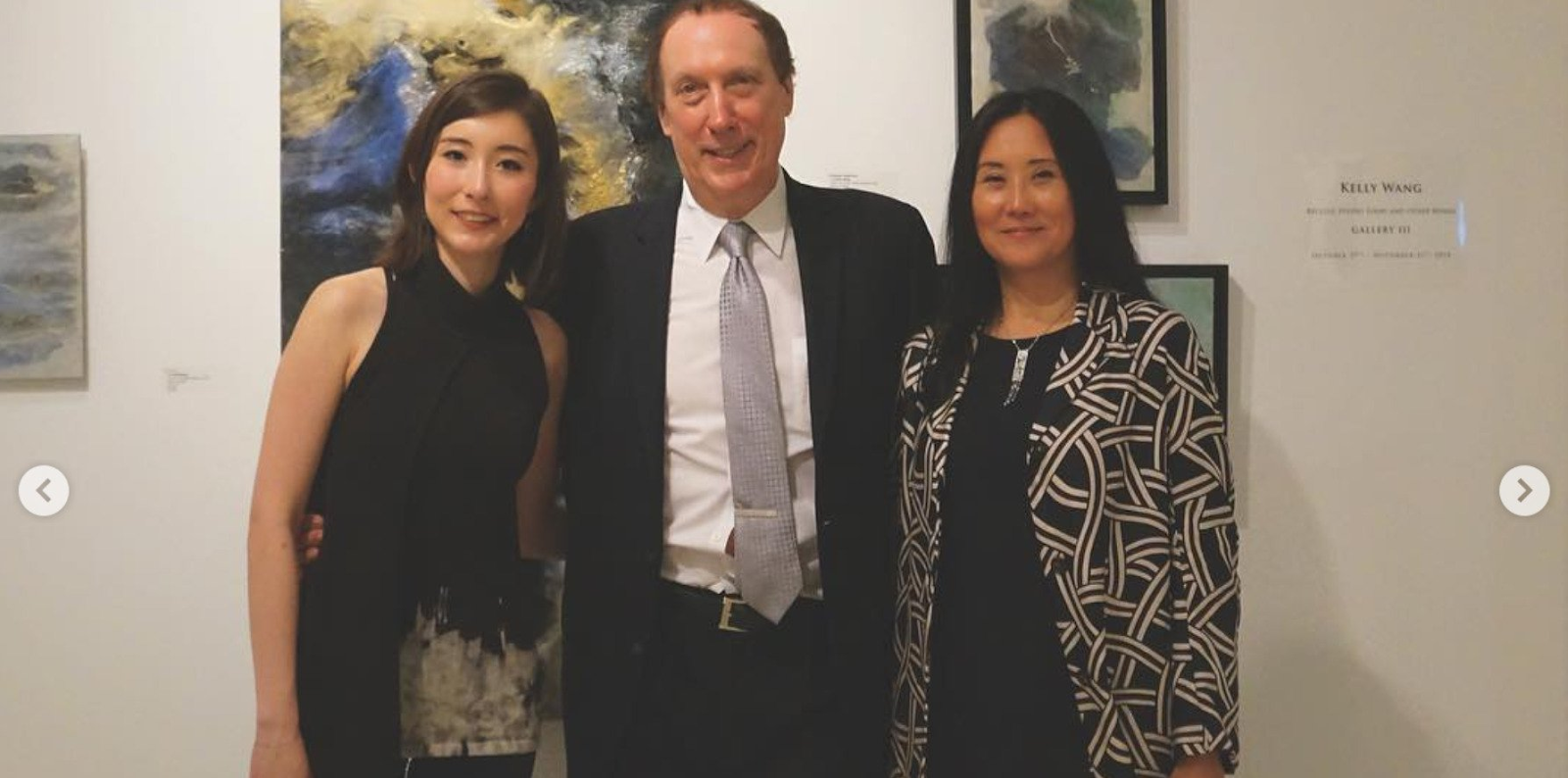
Over several years, Kelly worked to reposition herself professionally, moving away from public-facing roles toward quieter creative work. Rather than returning as an influencer or performer, she focused on writing, editing, and research-oriented media roles.
This rebranding strategy emphasized skills and output rather than personal narrative. In many cases, she minimized name recognition to prevent past notoriety from overshadowing present work.
Working Behind the Scenes in Media
Kelly’s reentry into media has largely occurred in behind-the-scenes roles such as freelance writer, editor, or researcher. These positions allow for professional contribution without renewed public exposure.
Her lived experience with scandal and privacy erosion appears to inform a heightened sensitivity to consent, context, and ethical publishing practices. Profiles that reference her later work often describe someone who channels a difficult past into more careful and responsible media engagement.
A Digital-Age Cautionary Tale
Today, Kelly Christina Baltazar is often cited as an example of how privilege, youth, risky online experimentation, and an unforgiving internet can intersect with lasting consequences. At the same time, her trajectory shows that withdrawal, accountability, and sustained effort can create space for personal reinvention, even when public memory remains incomplete or distorted.
Cases like hers are frequently discussed in media-ethics and digital-culture analysis as illustrations of online permanence, reputational collapse, and the limits—and possibilities—of rehabilitation in the internet age.
Conclusion: Reinvention Without the Spotlight
Kelly Christina Baltazar’s story is not one of erasure or sudden redemption, but of gradual reorientation. By stepping away from visibility, meeting legal and personal obligations, and committing to skills-based work, she has constructed a quieter life centered on stability rather than spectacle.
Her journey offers a more restrained and realistic model of reinvention, one that prioritizes boundaries, responsibility, and long-term integrity over public validation.
Post Comment
Be the first to post comment!